Posts

Showing posts with the label Social Issues

Noblesse Oblige: A Guiding Principle

Image
Some ideas refuse to disappear, even when the world changes around them. One of them is the French expression Noblesse Oblige. It simply means that privilege comes with responsibility. If life has given you education, opportunity, influence, or success, then you have a duty to use those gifts for something greater than yourself. It is an old idea, perhaps even an unfashionable one, but I think it still deserves a place in the modern world. I have thought about this a lot over the past few years. When I left the Philippines and moved to Norway, I did not arrive with privilege. Like many immigrants, I started almost from the beginning. I had to learn a new language, adapt to a different culture, rebuild my career, and prove myself again. Nothing was handed to me. Every step forward came through long shifts, sacrifices, studying after work, and refusing to give up when life became difficult. Today, I live a life that my younger self could only imagine. ...

Kinishinai: Pillar of Japanese Society

Image
In the bustling streets of Japan, amidst the sea of polite bows and exquisite sushi, lies a cultural gem known as "Kinishinai." This seemingly simple word holds profound significance in Japanese society, encapsulating a mindset that is both endearing and peculiar. This is the focus of this blogpost. Kinishinai, loosely translated as "I don't mind" or "It's okay," embodies the spirit of acceptance and harmony deeply ingrained in Japanese culture. It's not merely a phrase but a way of life, reflecting a collective mindset of tolerance, flexibility, and humility. In Japanese social interactions, Kinishinai serves as a lubricant, smoothing over potential conflicts and fostering a sense of communal tranquility. Whether it's accommodating unexpected changes or graciously accepting imperfections, the philosophy of Kinishinai promotes a harmonious coexistence. Surprisingly, the essence of Kinishinai resonates beyond the shores of Japan,...

14000 Days In: Finding Balance, Meaning, and Inner Peace

Image
The 21st of January 2026 marks the end of the 14th chapter of my life, which also means that another 1,000 days have passed 😂. This chapter was not only about time moving forward, but also about personal reflection, adjustment, and maturity. During this period, I searched for meaning in life, questioned my values, and learned more about the importance of human connections. It was a phase that helped me better understand who I am and how I relate to others and the world around me. Learning from Past Challenges The 13th chapter of my life left a lasting impact on me and strongly shaped the one that followed. The pandemic changed daily life, work routines, and social relationships in ways I had never experienced before. During this time, I also chose to let go of unhealthy habits and distanced myself from certain people. The sudden death of my father was the most difficult experience, forcing me to confront loss, grief, and uncertainty. These events made the 14th chapter a pe...

Are you an Iconoclast or a Conformist?

Image
People often asked about the differences between iconoclasts and conformists, and which one is better. The truth is, neither is inherently better or worse than the other. It really depends on the situation and context. This is the focus of this blogpost. Iconoclasts are individuals who challenge the status quo and are willing to take risks and try new things. They often possess unique and creative ideas that can lead to innovation and progress. However, their nonconformity can also lead to resistance from others who may be uncomfortable with change. For example, some of the most celebrated artists, musicians, and writers of our time were iconoclasts who pushed the limits of their craft and challenged traditional conventions. On the other hand, conformists tend to adhere to social norms and expectations, and prioritize fitting in with the group. This can lead to a sense of security and belonging, as well as smoother social interactions. However, conformity can also s...

80/20 Rule: How Pareto's Principle Shapes Our Daily Lives

Image
In a world full of numbers and percentages, there's one rule that stands out as both intriguing and surprisingly applicable to our everyday activities: the Pareto Principle. Personally, I first came to know about this principle from an exam question, which I unfortunately did not unanswered correctly. However, this same principle has guided me in helping me meet my income goal inspite of working less. So, what's the deal with this fancy-sounding principle, and how does it affect our daily lives? Well, buckle up, because I'm about to spill the beans, in plain terms! The Pareto Principle, also known as the 80/20 rule, is like the ultimate life hack. It states that roughly 80% of results come from 20% of the efforts. In simpler terms, it means that a small portion of what you do will lead to most of your achievements. Let's dive into the world of work. I've hopped from job to job, experiencing the good, the bad, and the quirky. Here's how the Pa...

On Being Débrouillard: The Art of Figuring Things Out

Image
"Débrouillard" is a delightful French word that doesn’t have a perfect English equivalent. I came to know about this word, because somehow it reflects the motivation I have on what tasks to accomplish, and which kind of jobs I would like to have. "Débrouillard" refers to someone who is resourceful and able to solve problems in creative ways, often with limited resources. Think of it as the superpower of "figuring it out,". But what does it actually mean to be débrouillard? Is it a magical quality reserved for Parisians on bicycles? Or is it a skill that we, mere mortals, can develop and master? Let’s delve into the world of being débrouillard, exploring its ups, downs, and amusing real-life examples. Being débrouillard makes you a master of improvisation. Imagine needing to make dinner with only wilted vegetables, three peanuts, and a can of sardines. While most people might panic or order takeout, a débrouillard can whip up a decent meal with these seemin...

En Dag om Gangen: Babysteps in Norway

Image
Moving to a new country can be both exhilarating and challenging. When I arrived in Norway, I faced the daunting task of adapting to a new culture, a foreign language, and building a life from the ground up. In those early days, the mantra "en dag om gangen," which translates to "one day at a time," became my guiding light. The Arrival: A World of Uncertainty Stepping off the plane in Norway, I was immediately struck by the unfamiliar surroundings and the realization that I was far from home. The Norwegian language, with its melodic but mystifying sounds, posed a formidable barrier. I had no work lined up, and I didn't know a soul I could trust to help me navigate this new chapter of my life. It was a daunting prospect, to say the least. Learning the Language: Babysteps to Communication One of the first and most crucial challenges was the language barrier. Learning Norwegian was essential not only for daily communication but also for securing...

Are You Timid Enough?

Image
As an introvert, I've often been labeled as timid in various situations, which tends to carry a negative connotation, especially in our fast-paced world where introversion is not typically favored. However, there's an aspect that is frequently overlooked – being timid can come with some unexpected benefits. While there are advantages to being timid, it's also important to acknowledge the potential downsides. First of all, being timid can hold you back in social situations. If you're always hesitant to speak up or put yourself out there, you might miss out on opportunities to connect with others or pursue your goals. You might find yourself feeling left out or overlooked, which can lead to feelings of loneliness and isolation. Another potential problem with being timid is that it can lead to low self-esteem and a lack of confidence. When you're always second-guessing yourself and holding back, you might start to believe that you don't have any...

Are You Healthy?

Image
Health is that elusive state of being that we all strive for, yet never quite seem to reach. We all have our own definition of what it means to be healthy, whether it's the absence of illness or the ability to run a marathon without breaking a sweat. But the truth is, defining health is no easy feat. It's like trying to catch a greased pig - you can chase after it, but it always seems to slip away. So, let's take a lighthearted look at the complex nature of health and how we can try to define it. I have come to understand that determining who is healthy is not as simple as it may seem. The connection between norms and health is intricate, and there is no one-size-fits-all answer to this question. In my experience, health is not just about the absence of disease but also about meeting societal norms. For instance, a patient who presents with symptoms of depression and anxiety may be considered unhealthy, even though there is no physical ailment. This ...

Push Yourself to Your Limits: The Grit of Healthcare Providers

Image
In the demanding world of healthcare, the phrase "Push Yourself to Your Limits" takes on a profound meaning. Healthcare providers often find themselves navigating challenging circumstances that test their physical, emotional, and mental boundaries. In this article, we'll explore the hard experiences of healthcare providers, the advantages of pushing one's limits, and the potential disadvantages that come with this demanding profession. Healthcare providers, including doctors, nurses, and allied health professionals, face a multitude of challenges that push them to their limits. Long and irregular working hours, exposure to infectious diseases, emotionally taxing patient cases, and the responsibility of making critical decisions are just a few of the hardships they encounter daily. Additionally, the ongoing pressure to stay updated with medical advancements and maintain high standards of care adds to their demanding workload. However, unknow...

Are you getting bored?

Image
We have so much to do, so limited time, but so little things accomplished. Yet, we still feel bored. Isn't that a paradox? People get easily bored. Sometimes, even the most exciting and adventurous among us can find ourselves feeling a little bit bored. But hey, that's okay - boredom can actually be a good thing! First, let's talk about the signs that you're bored. Maybe you're scrolling through social media for the hundredth time today, or you've resorted to counting the tiles on your ceiling. Perhaps you're watching paint dry or taking extra long bathroom breaks just to pass the time. Whatever the case may be, if you're feeling uninterested, restless, or just plain blah, you might be bored. Boredom has always been a part of human life, but it seems like we're hearing more and more about it these days. With the prevalence of smartphones and social media, people are increasingly complaining about being bored. However, is modern bo...

The Choice of Anger

Image
As someone who has been through a lot of ups and downs recently, I used to hold onto a lot of anger and resentment towards some people who hurt me deeply. I thought that my anger was justified and that it was the only thing keeping me from falling apart completely. But in reality, my anger was only holding me back from finding true happiness and moving on. This is the focus of this blogpost. It takes a lot of courage and self-love to make the decision to let go of my anger and forgive those individuals. It isn't an easy process, but in the end, it can be worth it. Personally, I finally realized that holding onto anger was only causing me more pain and suffering, while those individuals had moved on with their life. I was the only one still trapped in the past, unable to let go. This is a never-ending negative-laden cycle. However, we have to note that anger can be a powerful motivator. It can give us the energy and drive you need to stand up for yourself or to fight for...

Is it Socialism or Populism?

Image
"Are you confused about the difference between socialism and populism? It's like the difference between giving everyone a small slice of the cake or promising a few people the whole cake. Let's take a closer look!" There are some politicians that are associated with socialism but some would consider them representing the ideology of populism. This is the focus of this blogpost. Allow me to clarify the distinction between populism and socialism. Populism is a political approach that seeks to resonate with the general populace, often challenging the established elites. Populist leaders might make sweeping promises to gain popular support, even if such promises might be challenging to keep in the long run. An instance could be a leader pledging to reduce taxes for all, regardless of the long-term economic implications. On the other hand, to understand socialism, consider this simple analogy: Imagine you have five candies and five children. Your goal is to dis...

What is "Gigil"?

Image
Gigil! Ghhhh - that feeling yes! It is somehow unexplainable but certainly felt. The Filipino feeling of "gigil" as a complex mix of emotions and behaviors that are deeply ingrained in the Filipino culture. This is the focus of this blogpost. "Gigil" can be described as a feeling of intense excitement, enthusiasm, or affection that is often expressed through physical actions such as pinching, squeezing, or tickling. This feeling can be directed towards a variety of stimuli, including loved ones, cute or adorable things, or even frustrating or irritating situations. For example, when a parent sees their child doing something cute, they may feel gigil, which is a mix of overwhelming love and the urge to pinch or squeeze their child. This feeling is so strong that it can result in a physical reaction, such as tightening of the chest or fists. However, a person may also feel gigil towards someone who has wronged them, such as a cheating partner or a rude co-...

Millennials, We Are Generation Y

Image
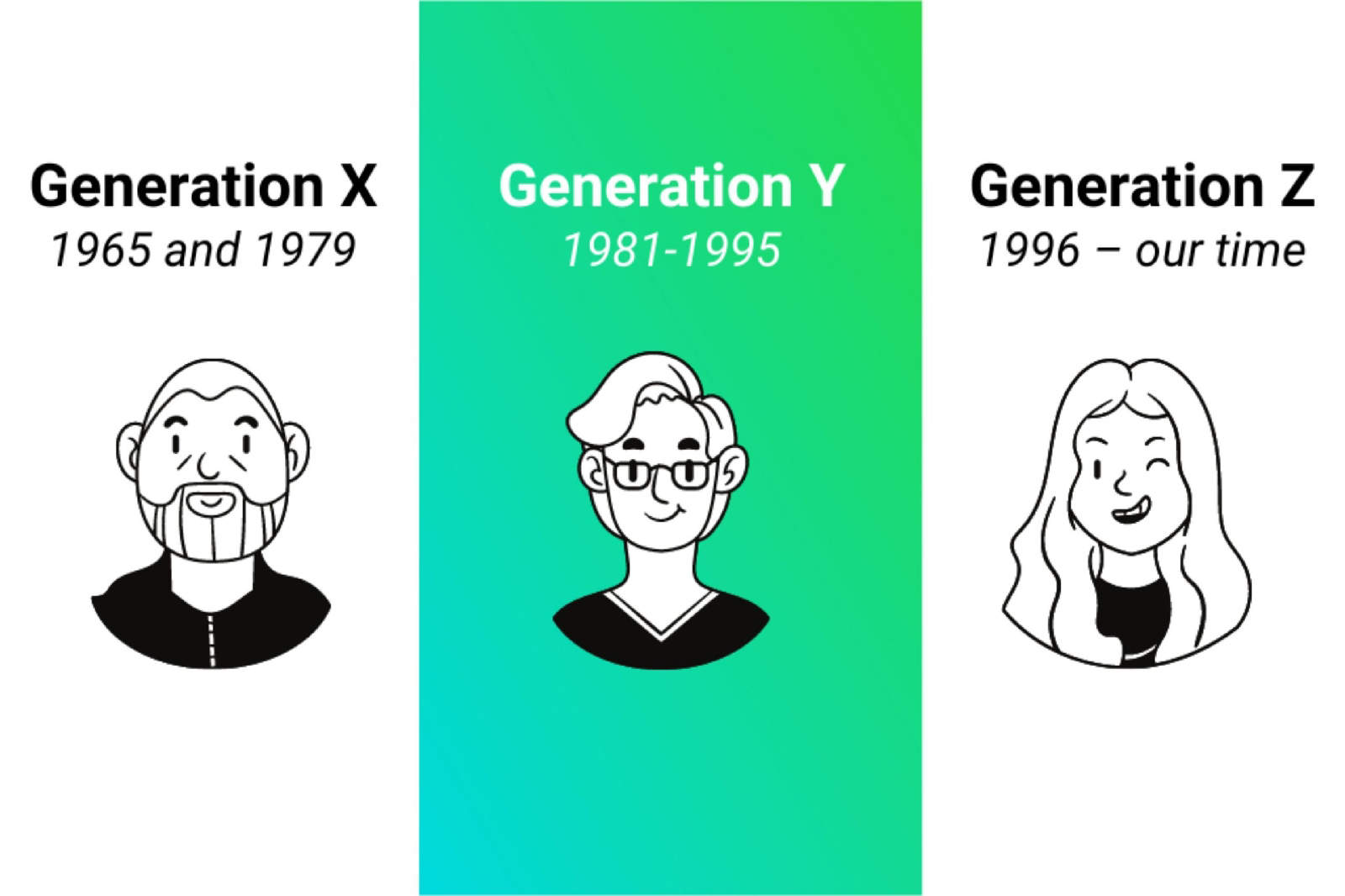
It is quite amazing that almost one month from now, I will be celebrating my birthday. I could not ignore the fact, that I actually feel older. I am noticing changes in my body that I never had just months before. I could willingly attribute these changes to my age. Unsurprisingly, I consider myself belonging to Generation Y. As a millennial or one belonging to Generation Y, let me give a glimpse into our lifestyle, problems, and what makes us unique. Buckle up, because it's going to be a wild and tech-savvy ride! First things first, millennials were born between 1980 and 1996, making us the largest living generation in the world. We're all about technology since we grew up with personal computers and the internet. We're practically glued to our smartphones and can navigate the digital world like nobody's business. Because of this, we value instant gratification and seek convenience. We love speed and on-demand services, which is why apps like Uber, Airbnb, ...

Our Mistakes, Our Actions

Image
We, human beings all make mistakes because no one is perfect. Sometimes, we act in a way that doesn't align with our intentions, and that is acceptable. It's common to act based on the information we have at the time, thereby increasing the chance of committing mistakes. However, it's also okay to not do anything, even if everything seems clear. Unfortunately, we often prefer to keep things the same because change can be scary. Our actions whether resulting to mistakes or right action is worth pondering on. This is the focus of this blogpost. As a human being, I am not perfect, and I know that I make mistakes, too. I have done things that I regret, said things that I wish I could take back, and made decisions that did not align with my values. But despite these shortcomings, I remain optimistic. I believe that acknowledging our imperfections is an important step towards growth and self-improvement. It is through our mistakes and failures that we learn va...

Being Aloof and the Cues

Image
Through my existence, I have interacted with diverse individuals with varying personalities and even varying cultural backgrounds. I have come to realize that effective communication goes beyond the words we speak. It also entails nonverbal cues such as eye contact, touch, distance, and time. This will be the focus of this blogpost. EYE CONTACT Ironically, as a nurse, I often find myself preferring to be alone. I tend to talk less and avoid eye contact, which I have learned can be emotionally draining, especially when dealing with patients. However, maintaining eye contact is crucial when communicating with patients to show empathy and understanding. Although I try to protect myself by talking carefully and avoiding eye contact, I remain vulnerable because I tend to talk too much. This is my weakness. Eye contact is a crucial aspect of nonverbal communication. It is the act of looking directly into someone's eyes while speaking or listening to them. Eye contact can have...

No One is Perfect

Image
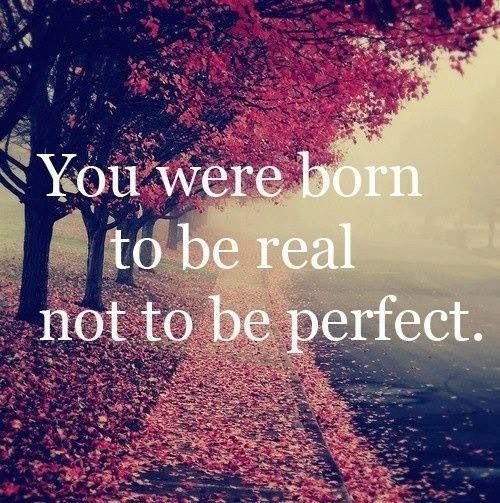
Today, I am going to talk about an important lesson that I've learned over the course of my life. It's a lesson that I believe is crucial for all of us, especially those of you who are just starting out on your life journey. The lesson is this: no one is perfect. This is the focus of this blogpost. It's a simple truth, but one that we often forget in our pursuit of success and perfection. This is because we live in a world that values perfection and often judges us harshly when we fall short of that ideal. But the reality is that none of us are perfect, and we shouldn't expect ourselves or others to be. Perfectionism is often seen as a positive trait, associated with high standards and achieving excellence. However, like many traits, perfectionism also has its drawbacks. One of the main advantages of perfectionism is that it can drive individuals to do their best and strive for excellence in all areas of their lives. This can result in a strong work ethic, a...